
Lambton Waterproofing helps Petrolia homeowners solve wet basements, foundation leaks, recurring seepage, and drainage problems. We provide basement waterproofing and basement leak repair throughout Petrolia, with repairs selected according to where the water is entering and what is causing it.
Water can enter through a foundation crack, around a basement window, where the wall meets the floor, or after the soil around the house becomes saturated during heavy rain or snowmelt.
We assess visible cracks, damp walls, floor-edge seepage, grading, downspout discharge, window wells, sump systems, and foundation drainage before recommending a repair. That avoids treating every wet basement with the same system.
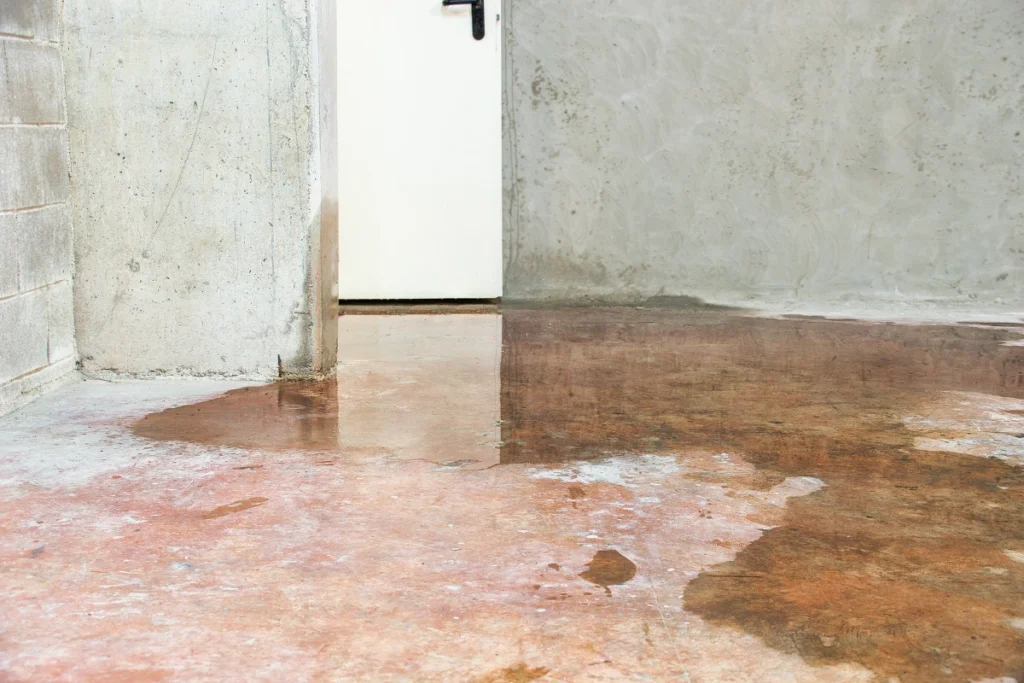
Petrolia includes historic oil-era homes, later additions, mid-century houses, and newer residential development. Foundation age, past alterations, lot grading, and drainage history can all change how water reaches a basement.
Bear Creek and municipal drainage are part of the local water-management context. Watershed information for the Petrolia area also identifies extensive silt and clay soils, which can drain slowly when saturated, although the soil and water conditions at an individual property must be confirmed on site.
Town planning documents distinguish stormwater from sanitary sewage and identify stormwater-infrastructure work in parts of Petrolia. A foundation leak, a private drainage problem, a plumbing failure, and a sewer backup are not the same issue. The inspection should determine which system is involved before a waterproofing repair is proposed.
A successful repair starts with the route of entry. A vertical crack may need a different repair from water appearing along the wall-floor joint. Likewise, an exterior grading or drainage problem should not be treated as if it were only an interior moisture issue.
Our basement leak repair process considers the symptom, timing, foundation condition, and water-management system. When the problem is localized, a targeted repair may be appropriate. When water is recurring in several areas, a broader waterproofing and drainage plan may be required.
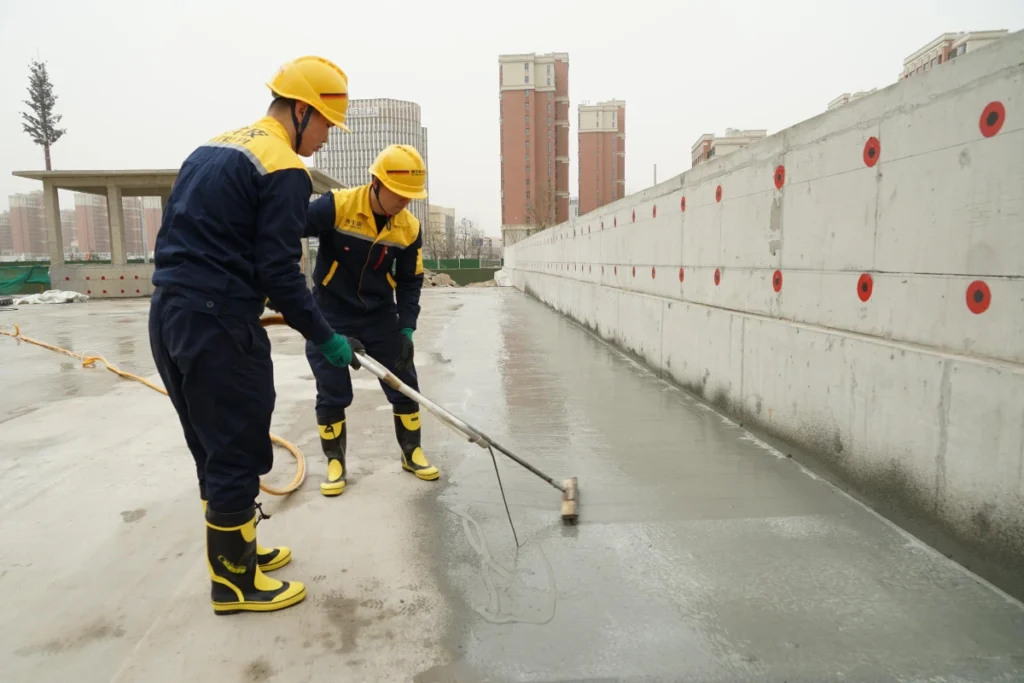
The repair should match the source and path of the water. These services can be used individually or combined as part of a complete waterproofing plan.
Repair options for cracks that are allowing water through the foundation wall.
Diagnosis and repair planning for water entering where the basement wall meets the floor.
Excavation, membrane, foundation drainage, and related exterior work when site conditions require it.
Sump pit, pump, discharge, and interior drainage options for collecting and moving water.
Tell us where you see the water, when it appears, and whether the problem is active now. We will arrange the next practical step.
The symptom is a starting point, not a complete diagnosis. The same visible water can have different causes depending on timing, location, and drainage conditions.
Check grading, downspouts, window wells, exterior drainage, cracks, and whether the ground around the foundation is becoming saturated.
The crack location, width, movement, previous repair, and exterior conditions help determine whether a localized repair is appropriate.
Perimeter seepage can be associated with hydrostatic pressure, foundation drainage, or an interior collection-system issue. The full perimeter should be inspected.
This may involve plumbing or the sanitary system rather than foundation seepage. Avoid assuming waterproofing alone will solve it.
We ask where the water appears, when it started, and what weather or plumbing conditions were present.
We look at cracks, walls, the slab edge, windows, sump equipment, drains, and visible signs of previous repairs.
Where accessible, we consider grading, downspouts, window wells, drainage routes, and conditions beside the foundation.
We separate foundation seepage from condensation, plumbing leaks, sump failures, and possible sewer-related problems.
We explain the practical repair options, why one is being recommended, and what work is included in the estimate.
Active water entry should be investigated promptly. Waiting can allow damage to finishes, stored belongings, insulation, and other materials.

Saturated soil beside the foundation: Silt and clay-rich soils found across much of the local Bear Creek watershed can hold water and drain slowly. Actual conditions vary by property.
Foundation cracks and aging repairs: Historic and older homes may have repairs, additions, or foundation sections from different periods. Newer homes can also develop cracks or drainage problems.
Grading, downspouts, and window wells: Water directed toward the house can overload a weak point even when the foundation problem appears inside.
Foundation drainage or sump problems: Blocked, damaged, disconnected, undersized, or poorly routed components can allow water to build up around or below the basement.
Stormwater entering the sanitary system: Petrolia has separate sanitary and storm systems, but Town documents note that inflow can still enter sanitary sewers through cracks or indirect connections. Water or sewage rising through a floor drain calls for a different response from clear water seeping through a foundation wall.
We identify the likely route of entry before recommending a crack repair, drainage system, sump solution, or exterior work.
The inspection considers local housing age, Bear Creek drainage context, lot grading, and municipal-versus-private water systems.
You receive an explanation of the proposed repair, the area included, and why the scope matches the problem observed.
When water is actively entering, we respond as quickly as scheduling and site conditions allow and explain the next practical step.
Cost depends on the source of the water, access, repair length, excavation requirements, foundation condition, drainage work, sump equipment, and restoration. A localized crack repair is not priced the same as exterior excavation or a complete interior drainage system. An on-site inspection is needed before the scope can be priced responsibly.
Water at the wall-floor joint can result from pressure beneath or beside the foundation, failed or overwhelmed drainage, cracks, or another route that becomes visible at the perimeter. The wall, slab edge, sump, and exterior drainage conditions should be reviewed together.
No. Age alone does not determine the repair. Older homes may have different foundation materials, additions, previous repairs, or limited exterior access, but the appropriate solution depends on the actual entry point and condition. Some problems are localized; others require interior drainage or exterior work.
Not automatically. Bear Creek is part of Petrolia’s drainage and watershed context, but a specific basement leak cannot be attributed to the creek without property-level evidence. Lot grading, soil saturation, foundation condition, private drainage, sump equipment, and nearby municipal infrastructure all need to be considered.
Clear water entering through a crack, window, wall, or floor edge often points toward a foundation or drainage issue. Water or sewage rising from a floor drain, toilet, or plumbing fixture may indicate a plumbing or sanitary-system problem. Lambton Waterproofing can assess foundation seepage, cracks, sump systems, and private drainage, but municipal or plumbing problems may require the Town or a licensed plumber.
Do not assume that it should. Petrolia planning documents encourage separation of stormwater from sanitary sewage. Existing connections, discharge routing, and current municipal requirements should be checked before changes are made.
Call (519) 466-2117 when water is actively entering. We will ask where the water is appearing, whether drains or plumbing fixtures are involved, and what immediate steps are practical while an inspection is arranged.
Get a property-specific assessment for basement seepage, foundation cracks, sump problems, drainage issues, or recurring water after heavy rain.
About Us
Contact Us
Location
Copyright 2025 | Lambton Waterproofing | Designed By Tynes Digital Developments